
Vehicle care guide
Preparing a planned mobile tyre fitting request
Use the vehicle handbook and current tyre markings to record the specification. Note the vehicle model, tyre positions and how many tyres need assessment. …
Read article →Peterborough Vehicle Care / Mobile tyre fitting
Practical articles to help private owners and businesses prepare useful, accurate enquiries.
Vehicle care guide
Use the vehicle handbook and current tyre markings to record the specification. Note the vehicle model, tyre positions and how many tyres need assessment. …
Read article →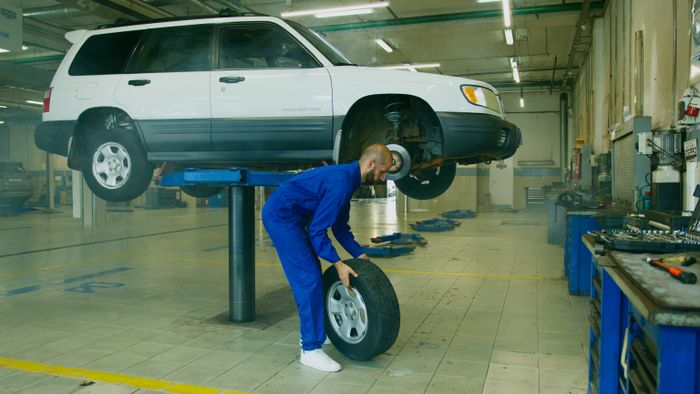
Vehicle care guide
A commercial van's tyre requirements depend on the vehicle specification and intended use. Record the complete marking and manufacturer requirements, inclu…
Read article →Record the specification from the vehicle handbook and tyre markings. Appropriate choice requires vehicle-specific assessment. Record tyre size, load and speed specification from the vehicle information and current markings. Confirm the exact fitment with the provider before ordering; visible size alone may not capture every vehicle requirement.
Read guide →Repairability depends on damage position and condition. A technician must assess suitability. An appropriate professional should inspect both tyre condition and the puncture location before deciding repairability. A flat tyre or visible structural damage may need replacement rather than a repair.
Read guide →Check required load rating and the intended vehicle use. Provide the van model, intended loads and the required specification. Confirm appropriate tyre suitability with a professional and avoid choosing solely on price when the vehicle has specific load requirements.
Read guide →List tyre positions and manufacturer or axle requirements. List each affected tyre by position and explain why replacement is requested. Vehicle manufacturer guidance, tyre condition and axle requirements can affect whether more than one replacement is appropriate.
Read guide →Identify the fitted type and any specific vehicle requirements. Identify the exact tyre and vehicle type and whether a pressure-monitoring system is present. Ask the provider to confirm compatible fitment and any manufacturer requirements before agreeing work.
Read guide →Consider actual driving conditions and vehicle-manufacturer guidance. Choose tyres in line with the vehicle manufacturer's recommendations, usual road conditions and intended driving. Ask for evidence of the proposed product specification instead of treating a marketing label as a guarantee.
Read guide →Repeated loss may involve a valve, wheel or tyre problem requiring assessment. Repeated pressure loss may indicate a puncture, valve, wheel or tyre problem. Record the affected position and frequency; do not keep using a tyre that may be unsafe without proper inspection.
Read guide →Damage, bulges and unsafe tyres need prompt professional attention. Report visible bulges, cuts, severe wear or vibration promptly to an appropriate tyre professional. A photograph can help describe condition, but cannot establish that a tyre is safe to drive on.
Read guide →Confirm suitable private access, space and ground conditions away from moving traffic. Confirm a permitted level private area with sufficient working room and no passing traffic. If the vehicle is in a dangerous location or cannot be moved safely, use suitable breakdown assistance.
Read guide →This is a planned enquiry route, not emergency roadside rescue. Use appropriate breakdown assistance where required. This enquiry route is for planned work. For a breakdown or unsafe situation, follow the appropriate emergency or breakdown arrangements and do not rely on an unconfirmed quotation request.
Read guide →